- Home
- Service Details
Static Reservoir Modeling
Geology Built in 3D
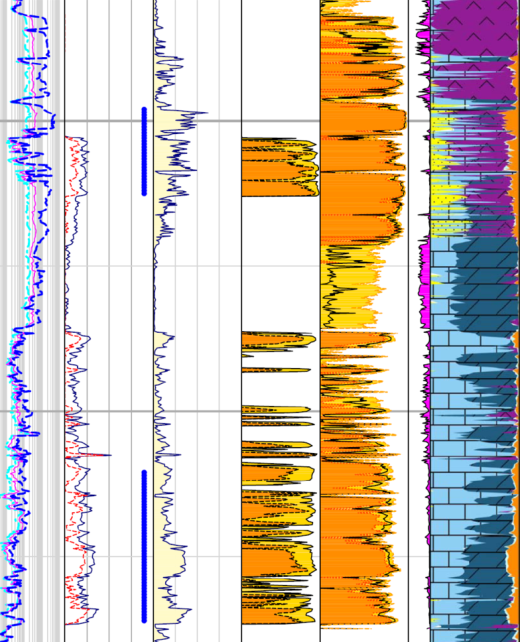
A static model is where geology, geophysics and petrophysics come together. It defines how much hydrocarbon is in place and where it sits. TIGC builds geomodels that are geologically realistic, honour all data and are designed from the start for simulation.
- Lifecycle Stage
- Disciplines
- Key Deliverable
- Location
- Appraise
- Develop
- Geomodeling
- Volumes Worldwide
Service Overview
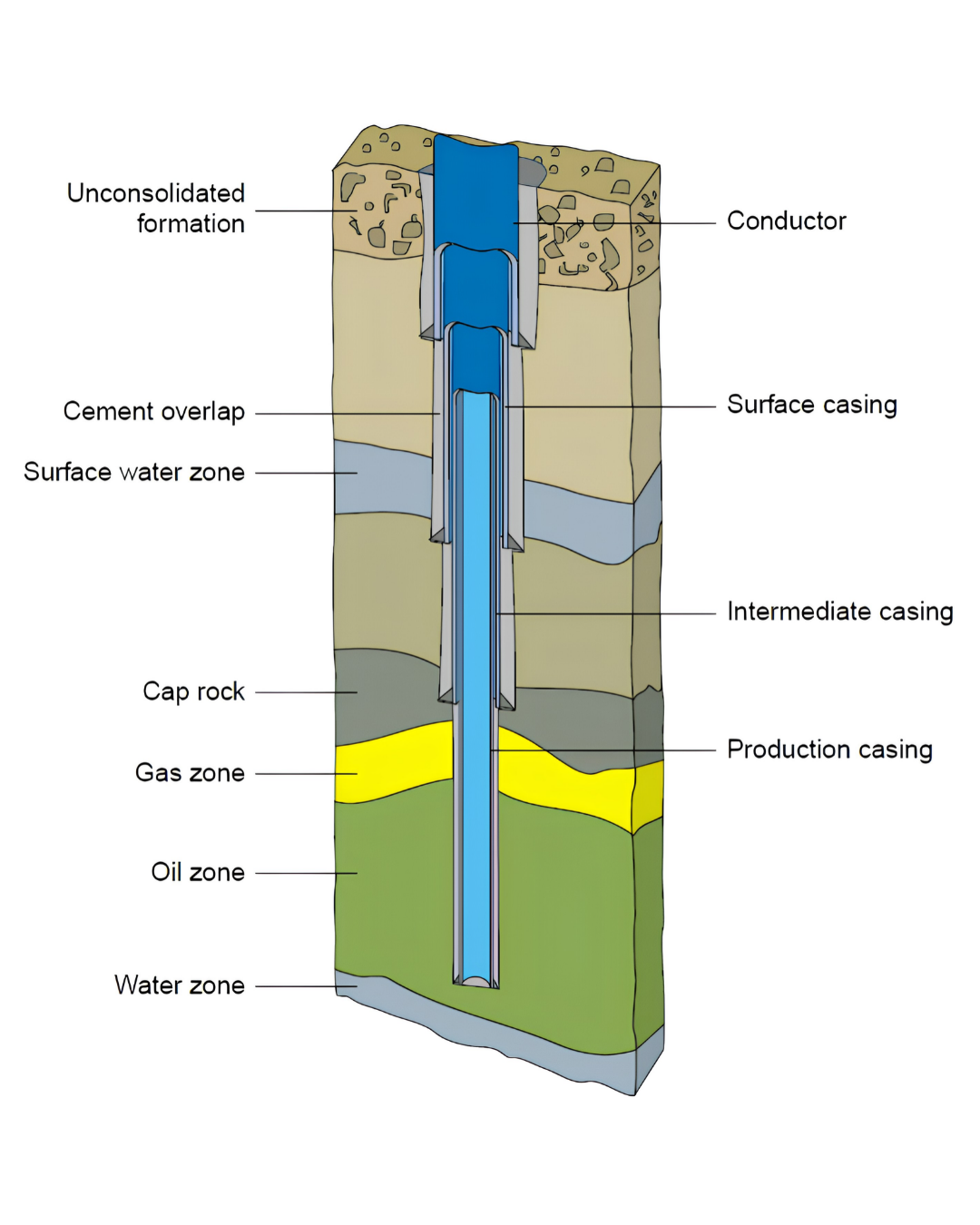
We focus on the features that control flow: faults and compartments, facies architecture, layering, fractures and permeability contrasts. The model captures what matters for production, not just what looks good in a 3D viewer.
Rather than one “best” model, we carry uncertainty through to volumes, so decision makers see a realistic range. Our geomodelers work with reservoir engineers, so grid design and upscaling support history matching.
You receive a documented static model, in-place volumes with low, mid and high cases, uncertainty drivers ranked by impact, and an upscaled simulation grid in your preferred format.
What we deliver
- Structural frameworks for faulted and thrusted structures
- Zonation and grid layering
- Facies modeling tied to the depositional model
- Porosity, permeability and saturation modeling
- Geostatistics and stochastic simulation
- Uncertainty analysis and multiple realizations
- Volumetrics and upscaling
Every workflow is documented, so your team can update the model as new wells are drilled. Static modeling is a core step in every TIGC integrated reservoir study.
Why TIGC
Context Is Our Technical Advantage
We combine local understanding of geology, field history and operating realities with global specialist expertise.
Senior Teams, Every Stage
We assemble teams around the asset challenge rather than forcing every project through a standard delivery model.
- Deep regional knowledge
- Integrated disciplines
- Commercially focused advice
- Senior-level involvement
- info@tethyangeoscience.com
Across the Lifecycle
Our specialists cover geology, geophysics, petrophysics, reservoir engineering, geomechanics and production optimization. That lets us carry one consistent reservoir understanding from the first prospect to the last barrel
Exploration
Appraisal
Field Development
Production Optimization
Technical